Rural Queers: A Scottish (They)story follows queer* people all over Scotland to ask: what is rural queer life like in Scotland? Through the joys and the struggles, this oral history project goes against the grain of the urban gay narrative that dictates that you can only be happy and out in the city. Showing that the countryside is more than ‘backwards’ and unsafe for queer people (although just like cities, it can also be very unsafe) we want to tell the stories of all of us who didn’t leave, or moved to or back to the places we felt we belonged to. Told in the words of the interviewees, and punctuated by an intimate voice-over from the filmmakers, this film invites us in places that have been erased from the mainstream of queer culture and says: We queers also belong here.
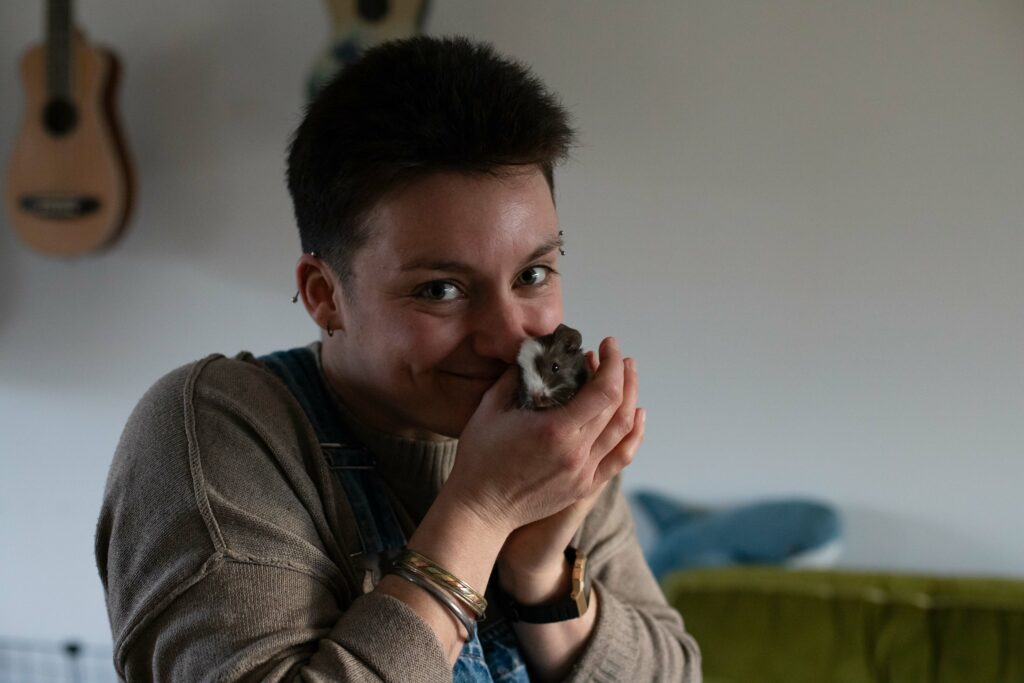
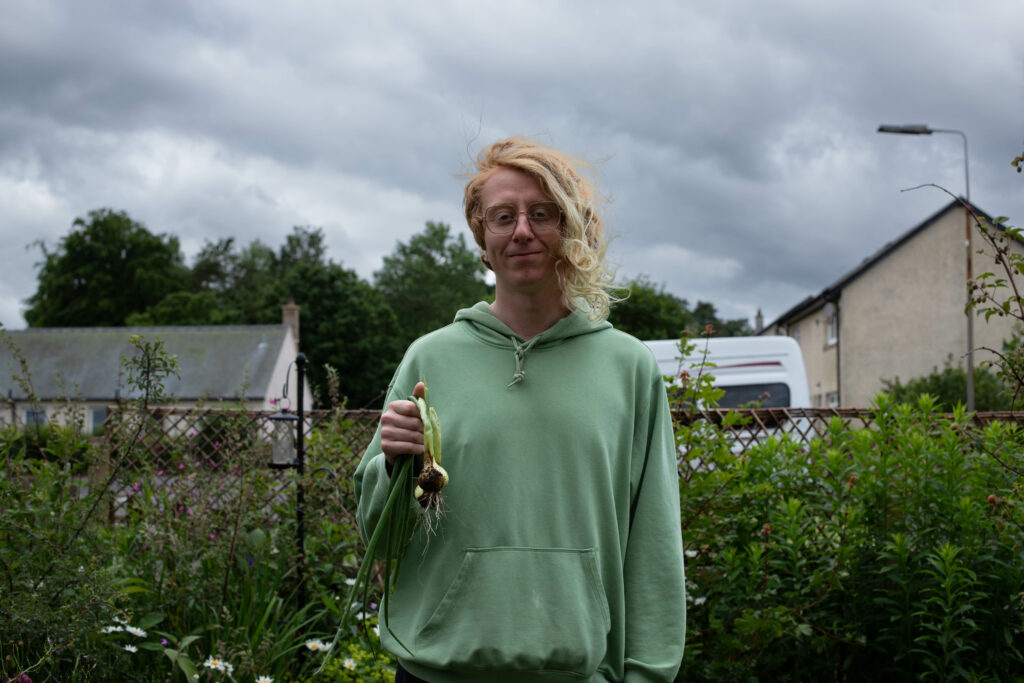
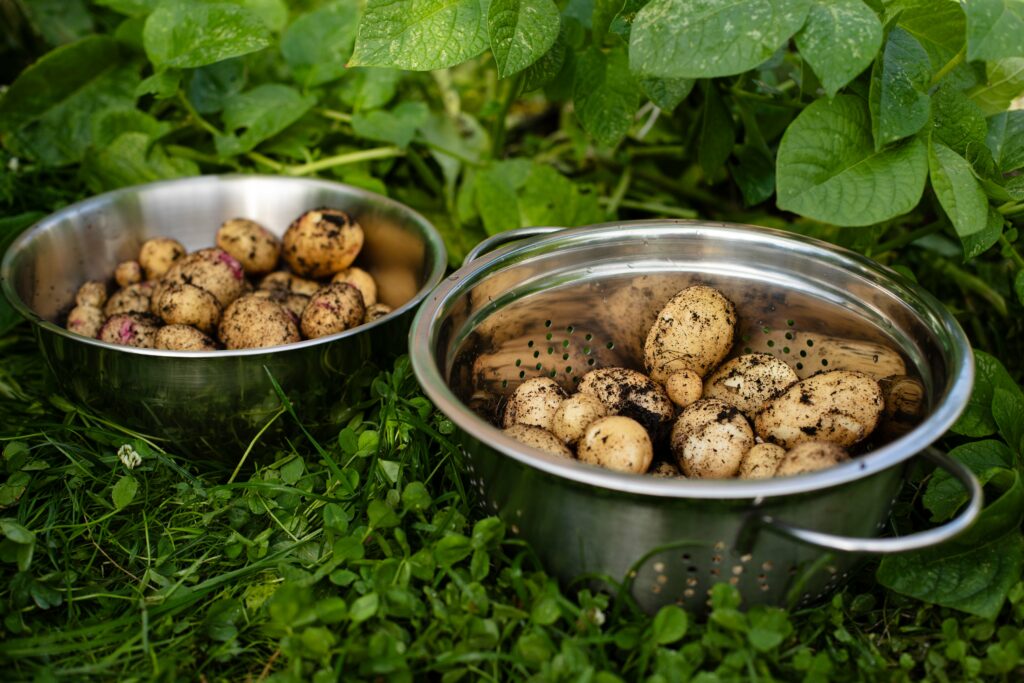
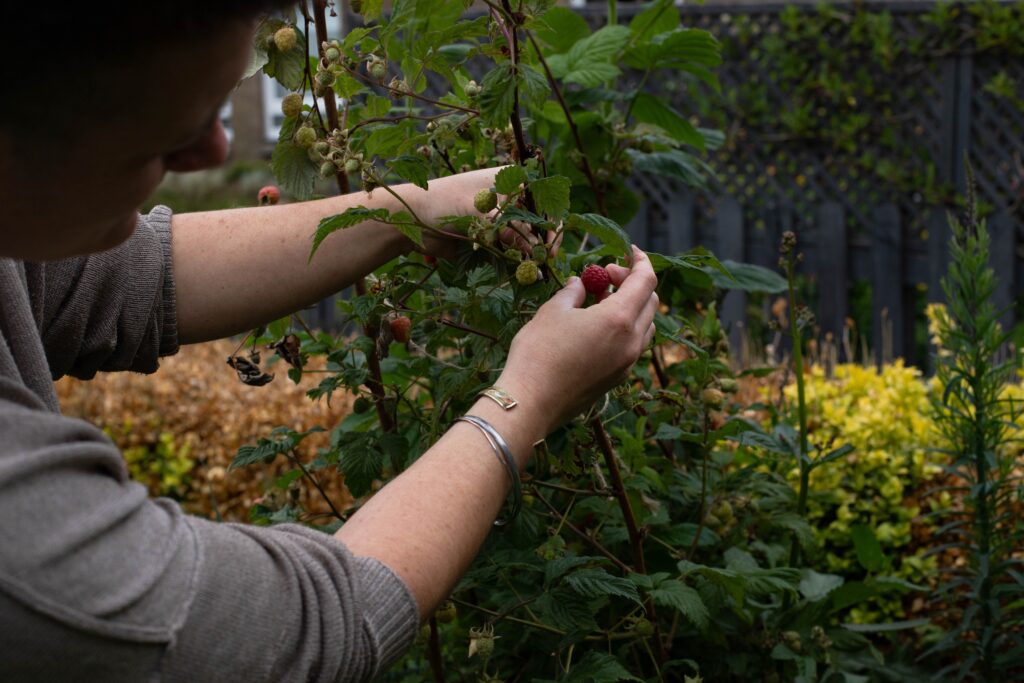
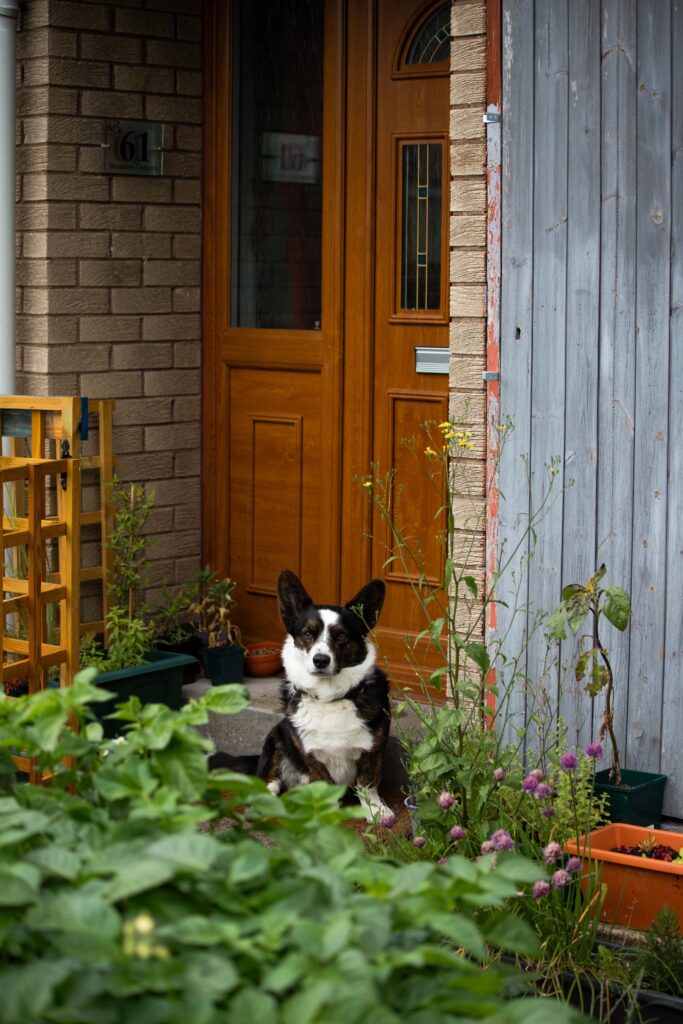
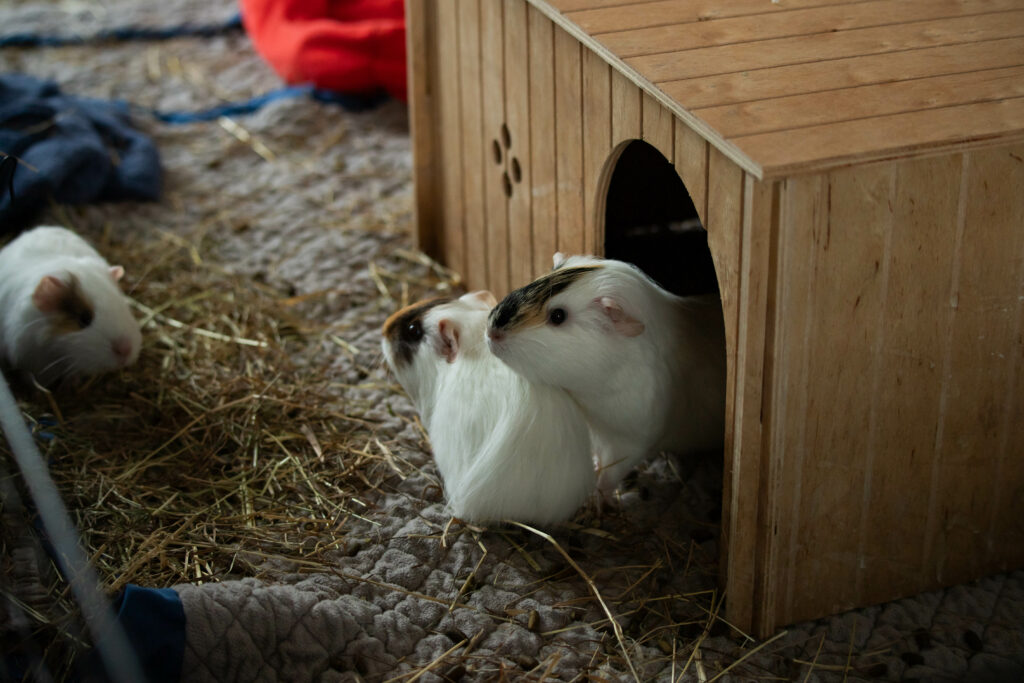
We’re Jules and Mitchell, two non-binary/trans people who moved out of the city two years ago. We both grew up in rural places, left them as early as we could and found ourselves in queer communities in cities. Yet, there was always this voice telling us that we didn’t really belong in the clubs and parties, in the busy streets and loud places. But can queers live in the countryside? Could we be happy there? After years of thinking, a documentary about this sense of longing and alienation (A Different Home, 2024), we made the leap. And we now live in the countryside, at the foot of the Pentlands with our two dogs and eight guinea pigs. Our Friday nights are spent gardening and we are now eager to share our story and that of others like us.
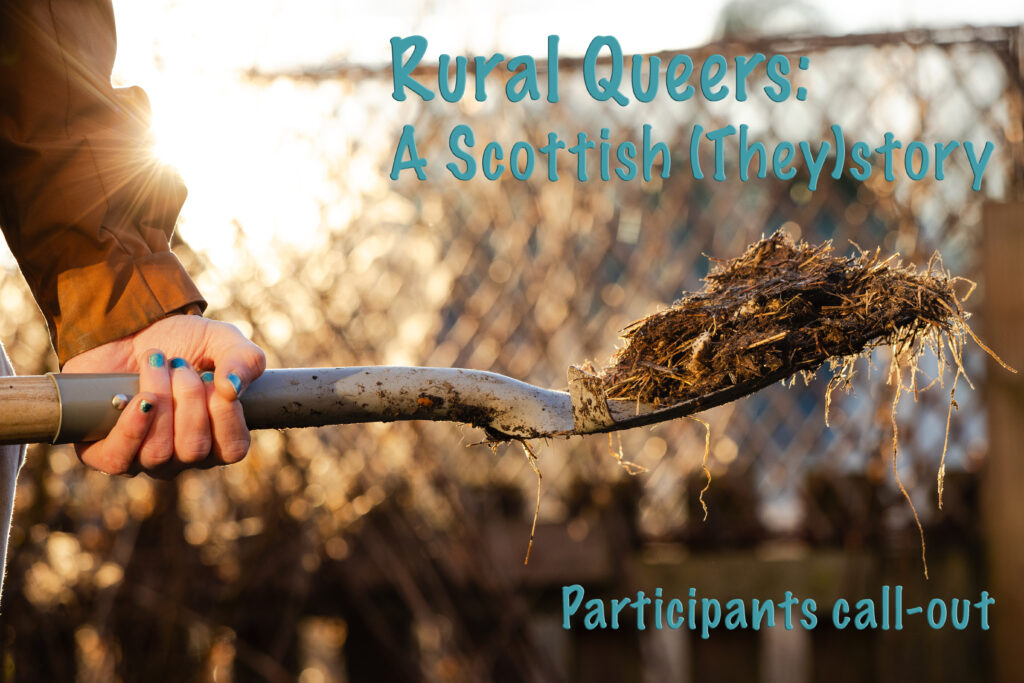
If you are also a rural queer and would like to be part of this project email us, we’d love to talk to you! Whether you are a flamboyant hairdresser in a village, a retired trans activist on an island, an unassuming queer person working on a farm, an artist, a nurse, on benefits, and so many other possibilities, we want to hear your stories.
Message us on instagram, email contact@jlfphotography.co.uk or fill the contact form below.
In 2025 we successfully fundraised to:
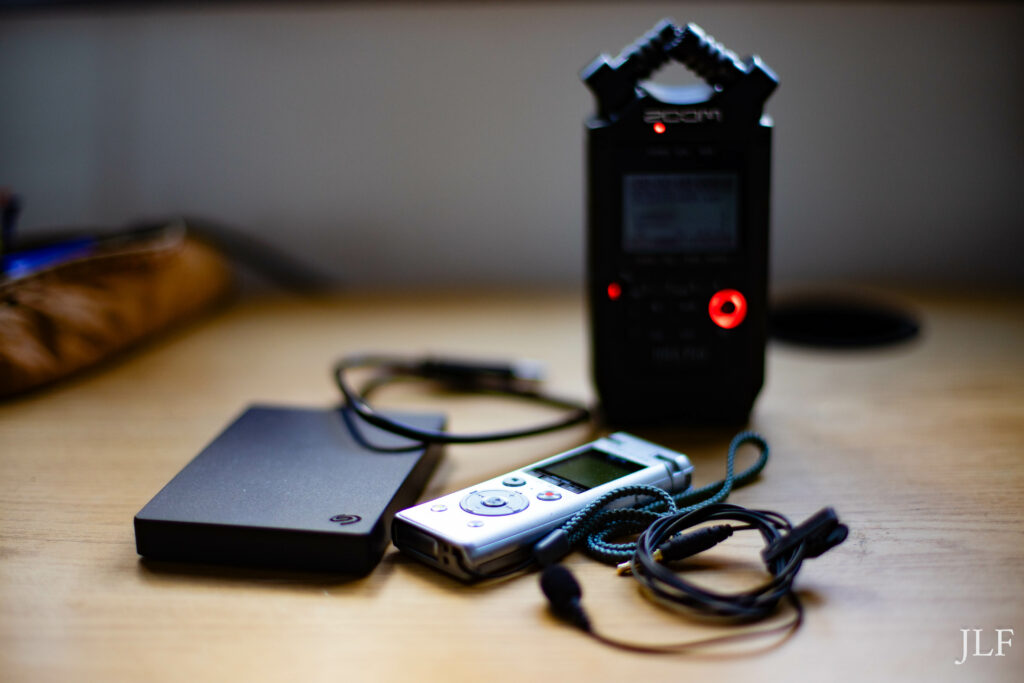
- – get better recording equipment (video camera & mics)
- – travel to interview other rural queers
- – pay our incredible sound designer Nico (A Different Home & The River and The Glen) a full fee.
Our amazing supporters have helped us get this project off the ground and we received match-funding on Crowdfunder from Creative Scotland. You can still donate and support our (so far) unpaid work or help with more travel costs.
Our documentary asks how we find community in different ways. Far from advocating for a politics of respectability, this film asks: how can we belong to spaces we’ve learnt to fear, often for good reasons, but that we still want to call our homes. This film takes queerness to be a matter of practice as well as ‘identity’ and shows that in our current polarised world, building bridges outside of our narrow identity confines leads to solidarity and different understandings of queerness. It also goes against the assumption that city life is, because of its anonymity, by definition safer for queer people. This film reminds us that we belong both to place and people. Looking at the intersections of disability, race and queerness in rural spaces, this film affirms one thing: we belong to the fields as much as we belong to the streets.
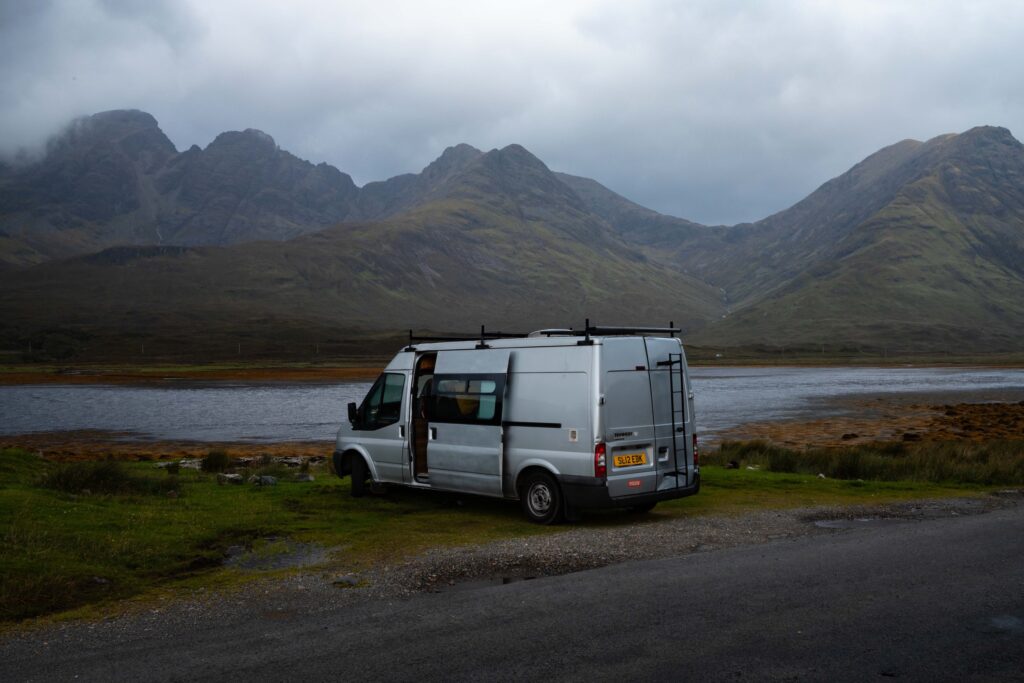
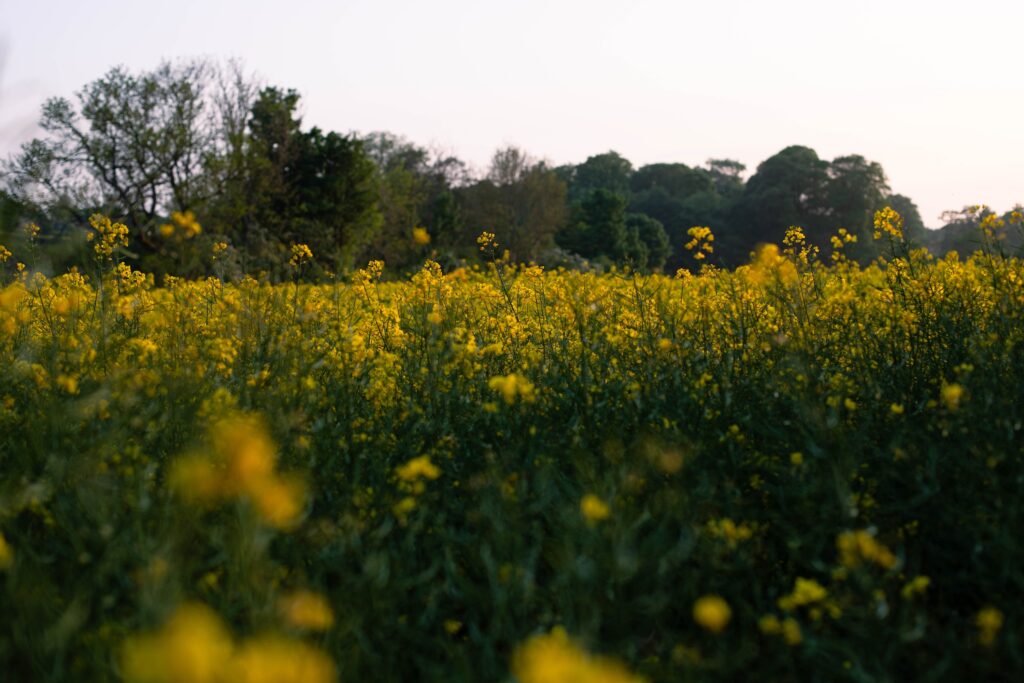
We’ve all heard and very likely believed that in order to come out, in order to be truly ‘oneself’, one had to go find the other queers in the clubs and bars. But what happens if you’ve done that and your ‘true’ self yearns to come back to the rivers, fields, and woods? Where do you belong when your happiness is found in foraging and gardening rather than going out to party? What happens when you return to the countryside, whether it is your home or not? What happens when you don’t leave? And what happens when you leave the city you were born in to live a life that calls to you but that is deemed ‘dangerous’, backwards, and by necessity ‘closeted’?
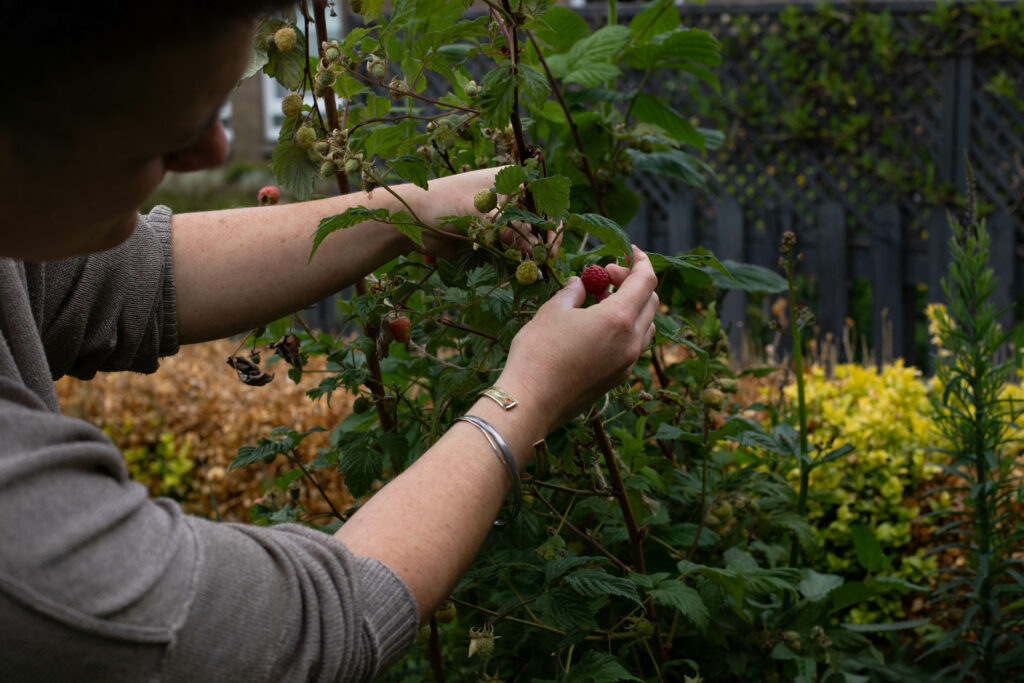
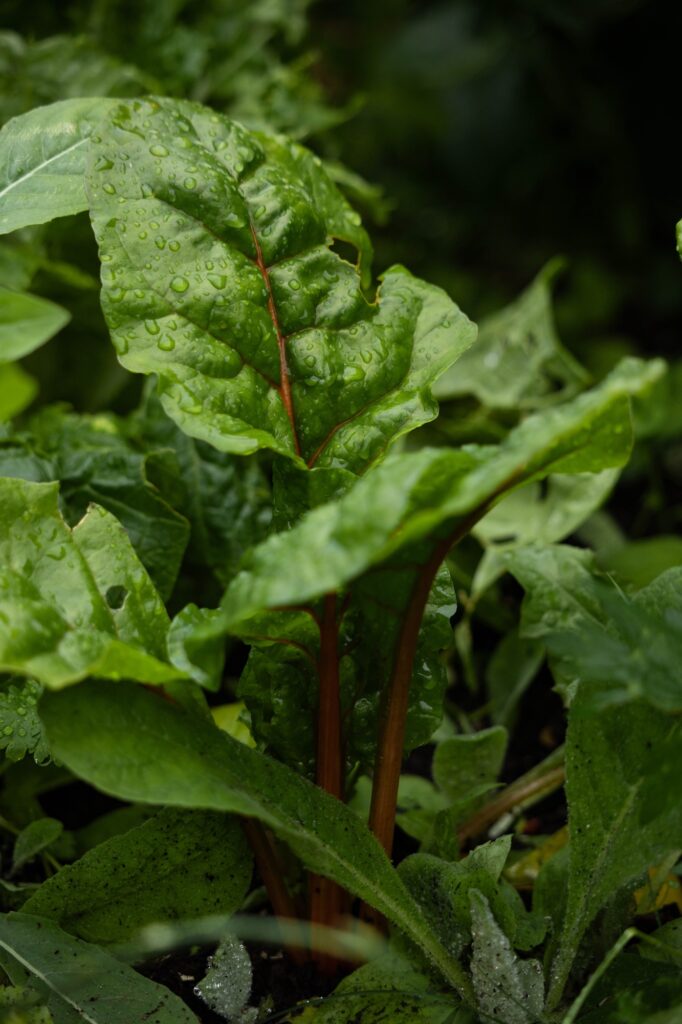
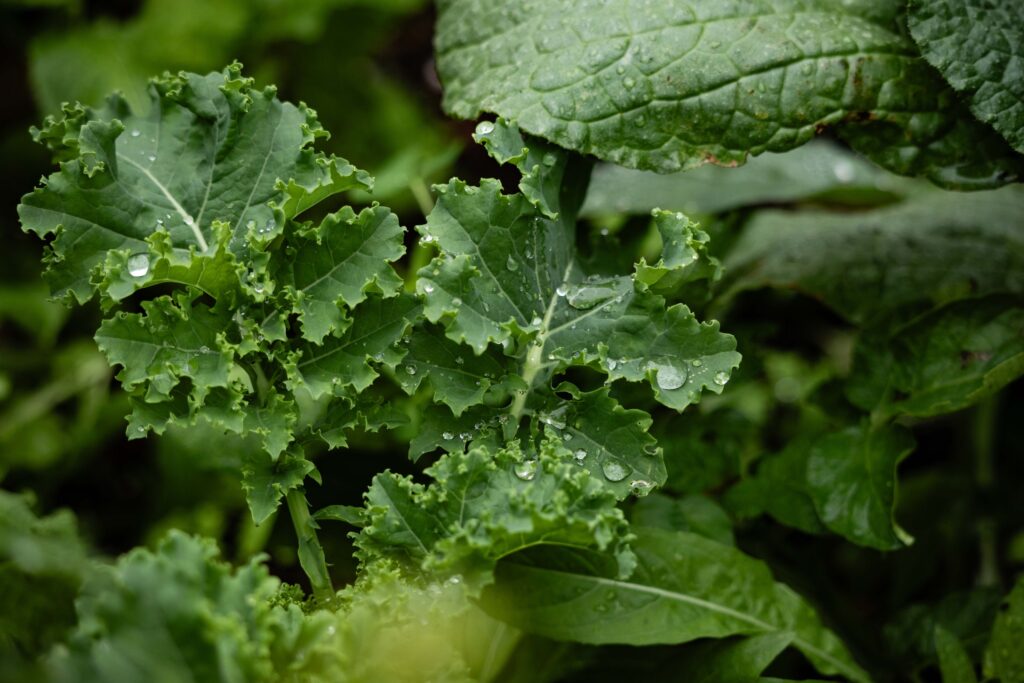
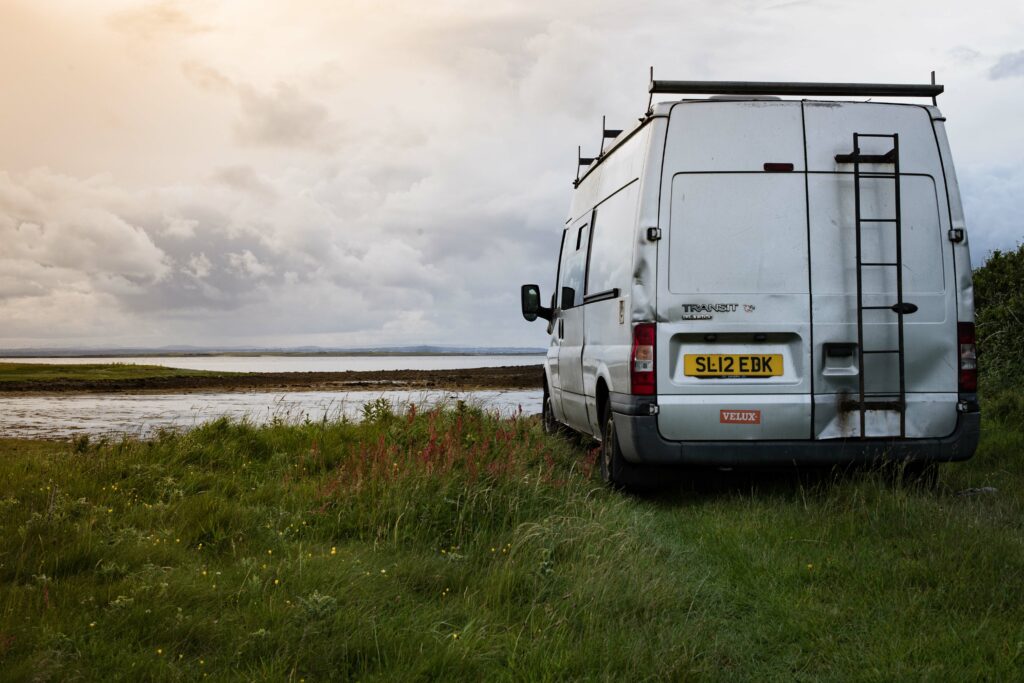
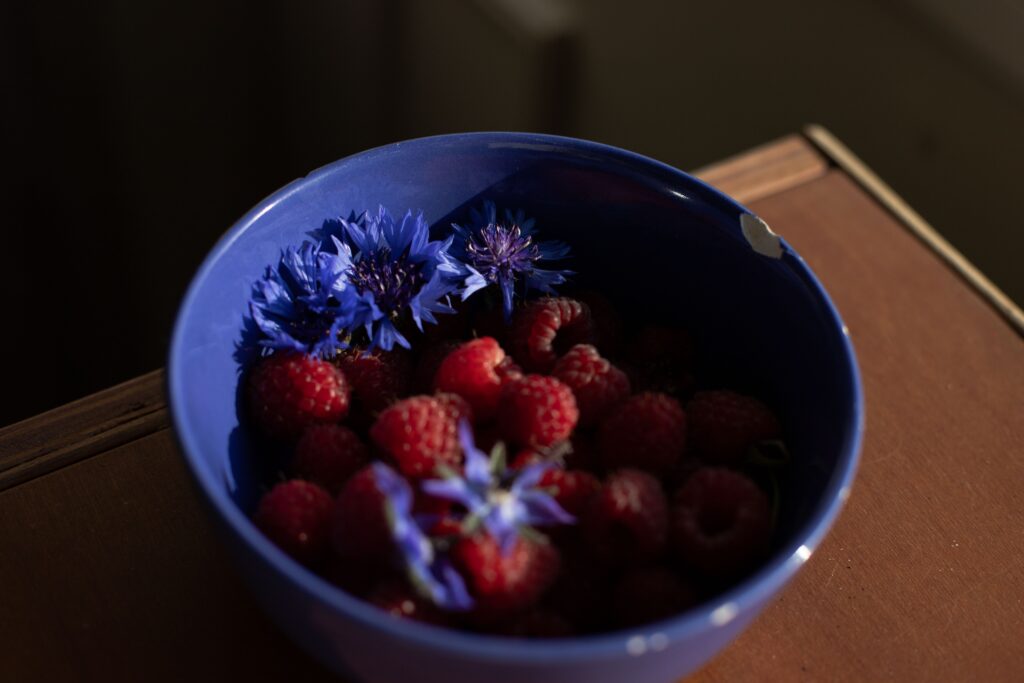
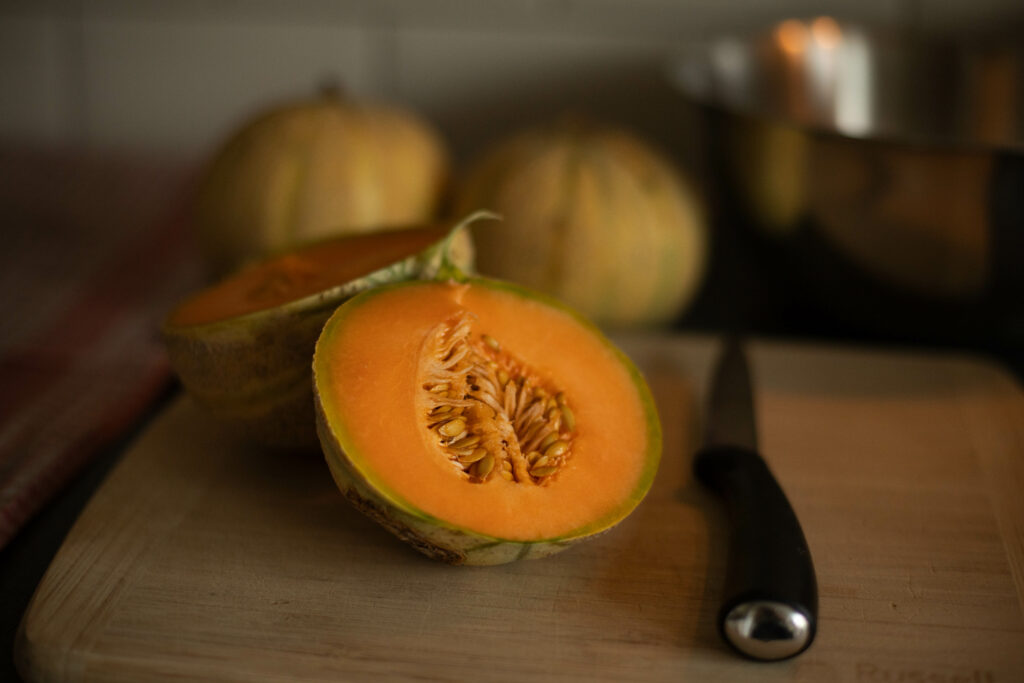
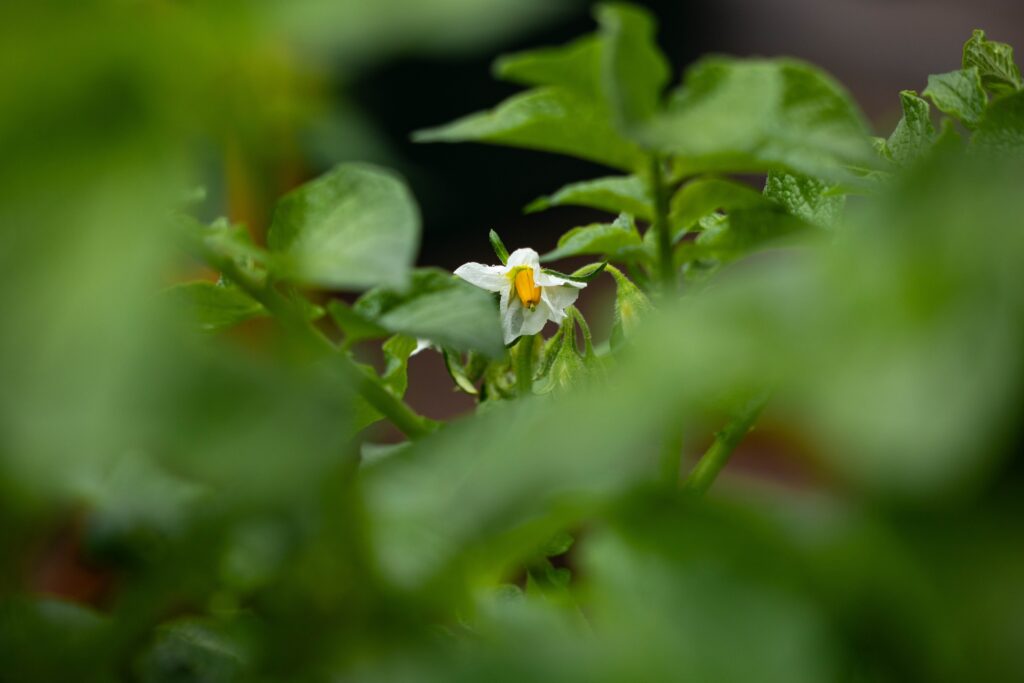
This film will blend interviews with images of people in the places they inhabit and feel connected to. Through close up images of cooking, walking, foraging, etc, interviewees and filmmakers will be grounded in their space and rooted to the land. In this film the filmmakers will make clear why this film, and why now in voice over and with images of their home. We will follow them intimately and record their reflections during their first year in the countryside. Following the seasons, the film will be shot over a year, the practice of living with the seasons’ rhythm embedded in the filmmaking process. The world slows down in Winter and so will we, and so will our film.
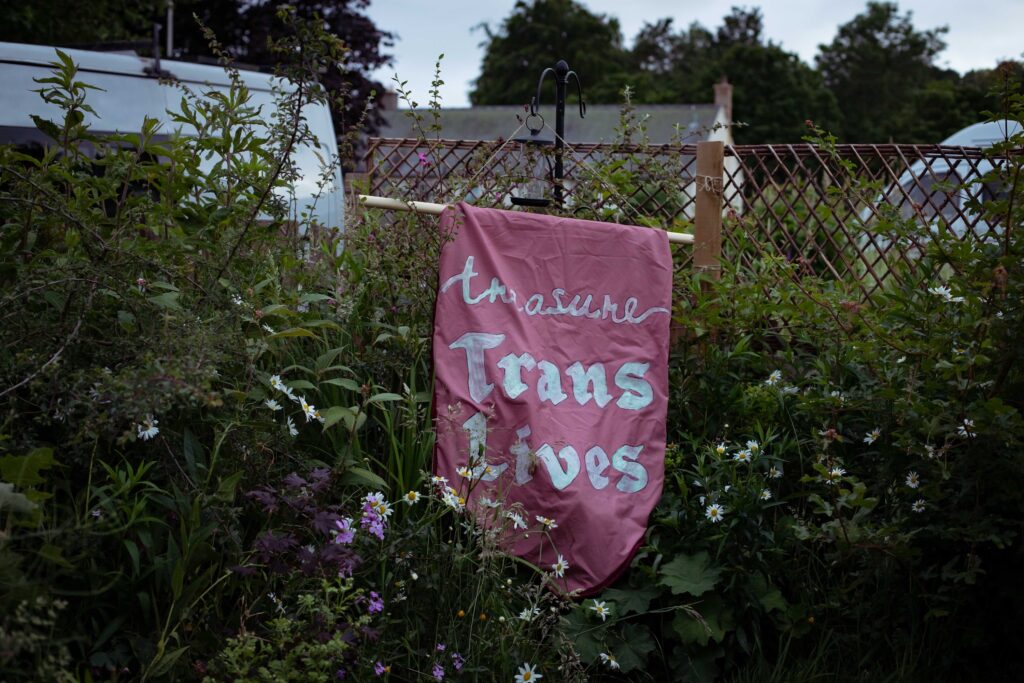
This film asks these questions in the Scottish context, and might be the first to do so. It asks how things are here, and looks for meaningful answers that the US books, films and podcasts about rural queerness can’t answer.
Films that have inspired us:
- Greetings from Out Here, Ellen Spiro (1993), 58min.
- Blackstar: Autobiography of a Close Friend, Tom Joslin (1976), 85min
Books we keep returning to:
- Gray, L. M., Johnson, R. C,Gilley, Brian, (Eds.). (2016). Queering the Countryside: New Frontiers in Rural Queer Studies. New York University Press.
- Garringer, R.(2024). Country Queers: A Love Letter. Haymarket Books.
- Mitchell, L. (1977). The Fagg*ts and Their Friends Between Revolutions.Nightboat Books.
Filmmakers bios:
Jules is a non-binary filmmaker and photographer based between Edinburgh and the Scottish Borders. They are currently exploring how places, both urban and rural, shape us and what they mean for queer identities and practices. Jules is particularly interested in how we connect with queer people from the past through film and video as we create our own archive in the present.
Mitchell is a non-binary cinematographer based in the Scottish Borders. They combine old and new in their techniques and equipment to create dreamy in-between visuals, both modern and nostalgic.
*We use queer as an umbrella term for anyone in the LGBTQ+ community